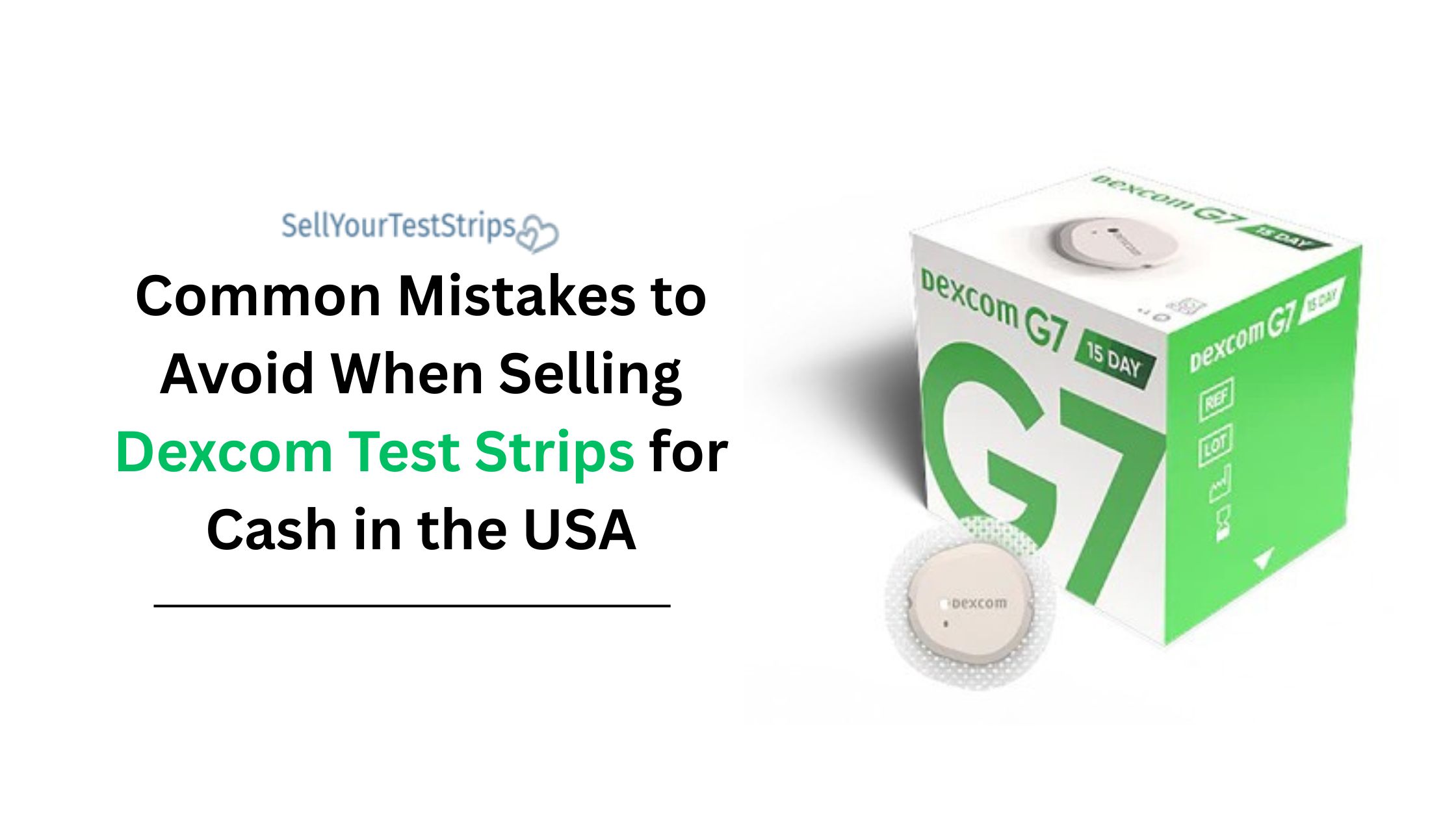
You switched from Dexcom G6 to G7. Now you have unopened sensor boxes sitting in your cabinet. Before you sell Dexcom test strips for cash in the USA, learn the mistakes that cost sellers money. This guide helps you avoid common errors and maximize your payout.
Should You Remove Prescription Labels Before Shipping?
No. Never remove prescription labels yourself. This is the most common mistake sellers make. The adhesive tears cardboard when you peel it off. This damage reduces your offer or causes complete rejection.
Professional buyers handle label removal during inspection. They use specialized methods that protect packaging. They securely destroy labels to protect your privacy. According to the FDA’s guidance on medical device safety, proper packaging integrity matters for product safety.
If you must obscure personal information before shipping, use a soft black marker. Ink over names and details carefully. Press lightly to avoid indenting the cardboard.
Do Expiration Dates Really Matter That Much?
Yes. Expiration dates control everything. Most buyers require at least six to nine months of remaining shelf life. Sensors with less time receive reduced offers. Those approaching expiration face rejection entirely.
Check the outer packaging for the printed expiration date. According to Dexcom’s official guidance, some G6 sensors have extended expiration dates to 18 months from manufacturing. Always verify the date before requesting quotes.
When you sell Dexcom test strips for cash in the USA, every month matters. A sensor expiring in ten months brings full price. The same sensor expiring in six months might earn half that amount. Act fast to preserve value.
Can You Sell DME or Medicare-Funded Supplies?
No. This is illegal. Supplies obtained through Medicare, Medicaid, or Veterans Affairs cannot be legally resold. Federal law prohibits profiting from taxpayer-funded items.
Look for orange labels, red lines, or text stating “DME Beneficiary” on your boxes. If you see these markers, those supplies cannot be sold. Only sell sensors purchased through personal funds or private insurance. Reputable buyers refuse government-funded supplies.
Should You Pack Supplies in Padded Envelopes?
No. Padded envelopes leave corners vulnerable during shipping. Use sturdy corrugated cardboard boxes instead.
Pack properly to protect your investment. Place two inches of bubble wrap on the bottom. Arrange sensor boxes upright. Fill gaps with padding and add cushion on top. Seal thoroughly with packing tape. Damaged packaging discovered during inspection reduces payment or causes rejection.
Do G6 Transmitters and G7 Sensors Have Different Requirements?
Yes. Understanding product differences prevents confusion. Dexcom G6 systems have separate sensors and transmitters. G7 combines the sensor and transmitter into one disposable unit.
G6 transmitters have limited battery life regardless of packaging. Manufacturing date matters more than expiration date for transmitters. Always disclose this when requesting quotes.
G7 sensors are all-in-one units with simpler resale requirements. When you sell Dexcom test strips for cash in the USA, knowing which product you have ensures accurate quotes and prevents inspection problems.
Should You Accept the First Quote You Get?
Not necessarily. Comparing quotes from multiple buyers makes sense. However, focus on more than just price. Check whether buyers offer free shipping, transparent condition requirements, guaranteed payment timelines, and responsive customer service.
Extremely high offers often come with catches. Some buyers advertise inflated prices but reduce offers during inspection based on subjective quality assessments. When you sell Dexcom test strips for cash in the USA through platforms like Sell Your Test Strips, transparent pricing protects you from surprises.
Read reviews from multiple sources. Verify the company has been operating for years, not months. Check their payment methods and timelines. These factors matter as much as quoted prices.
Do You Need to Wait Until You Have Large Quantities?
No. Waiting to accumulate more boxes often backfires. Every month brings expiration dates closer and reduces value. Quantity bonuses rarely exceed a few dollars per box.
The risk of dates shrinking into reduced-price territory outweighs minor quantity advantages. Sell supplies as soon as you know you will not use them. Smaller, frequent sales preserve maximum value better than waiting for bulk quantities.
What Happens If You Provide Inaccurate Information?
You waste time and delay payment. Companies inspect shipments carefully upon arrival. They verify expiration dates, check packaging condition, and confirm factory seals remain intact.
If your supplies do not match your description, buyers contact you to explain discrepancies. This delays payment or results in reduced offers. Provide accurate information when requesting quotes. Transparency speeds the process and prevents problems.
Can Storage Location Affect Value Even for Sealed Boxes?
Yes. Extreme temperatures damage sensors even inside sealed packaging. Humidity affects packaging integrity.
If sensors sat in hot attics, cold garages, steamy bathrooms, or sunny windowsills, mention this when requesting quotes. Buyers factor storage into their offers. Hiding poor storage conditions wastes shipping costs when inspection reveals problems.
Should You Ship Immediately After Accepting a Quote?
Yes. Most companies honor quoted prices for seven to fourteen days. Shipping promptly protects you from market fluctuations and ensures your sensors meet the expiration requirements you claimed.
Use the prepaid shipping label immediately. Drop packages at postal facilities. Track shipments until buyers confirm receipt.
What If You Disagree With Inspection Results?
If you disagree with inspection results, contact the buyer’s customer service immediately. Reputable companies explain decisions and provide photo evidence. Most work with sellers to resolve legitimate concerns.
Document everything: keep pre-shipping photos, email correspondence, and tracking information.
Buyers maintain strict standards—their reputation depends on selling safe, reliable diabetes products.
Making Smart Decisions
Avoiding these common mistakes maximizes your returns when you sell Dexcom test strips for cash in the USA. Never remove labels yourself. Verify expiration dates before requesting quotes. Use proper packaging that protects corners during transit. Confirm your supplies were not government-funded.
Understanding product differences between G6 and G7 prevents confusion. Maintaining mint packaging conditions demonstrates proper care. Providing accurate information speeds payment processing. Acting quickly before expiration dates shrink preserves maximum value.
The secondary market helps uninsured Americans access affordable CGM technology while putting money back in your pocket. Following these guidelines ensures smooth transactions that benefit everyone involved.